
Track your property valuationeffortlessly
Monitor home valuation on the go
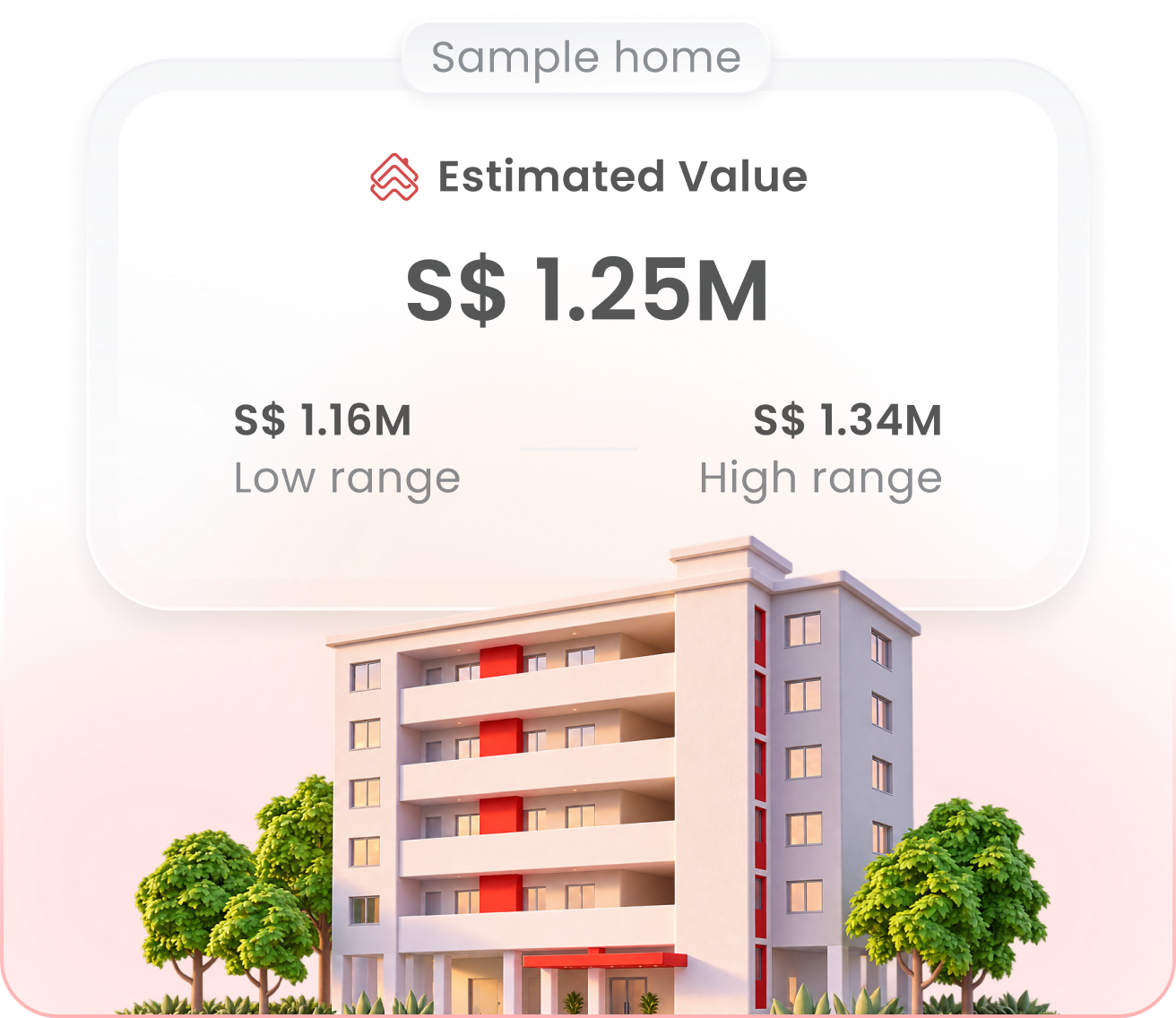
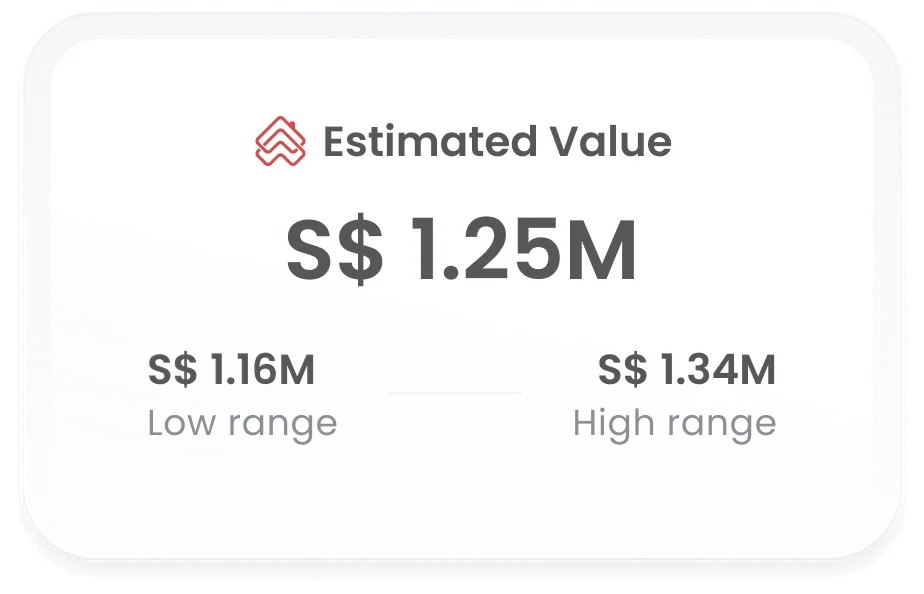
Track your estimated value anytime, anywhere. Updated monthly as the local market moves.
Get notified when property value shifts
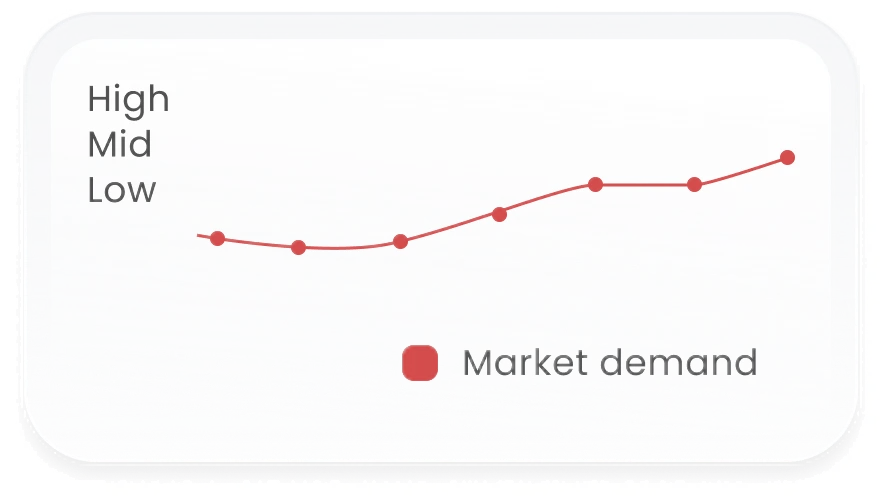
Know when nearby sales or demand shift your home's value, so you're always ahead of the market.
Plan your next move
See how much equity you could unlock today, and use it to time your next purchase or sale.
Property Valuation & Selling FAQs
An online house valuation calculator provides a starting estimate. Compare it with recent sales of similar homes and seek advice if you need a closer assessment of your property’s individual features.
Yes. PropertyGuru offers a free property valuation through its home valuation calculator. The result is an indicative market estimate for research and planning.
Property valuation assesses a home’s potential market value using property characteristics and market evidence. PropertyGuru’s indicative estimate, Estimated Value, uses an algorithm that considers factors including location, size, age, condition, nearby amenities and market demand. The result supports your initial research; it is not a guaranteed selling price or a formal valuation report.
A house value calculator by postcode can help you identify the area you want to research. However, a postcode alone is not enough to estimate an individual home’s value. Property type, size, tenure and unit details also matter. For a more useful estimate, check that the calculator uses details specific to your home.
Start with an HDB valuation estimate, then compare recent resale transactions involving similar flats in your area. Consider flat type, floor area, remaining lease, floor level and condition when choosing comparisons. An online estimate helps you understand your flat’s potential market value, but it does not replace HDB’s official Request for Value process where required.
For initial research, review an HDB valuation estimate alongside comparable resale transactions. If you need the official value for an applicable resale purchase, follow HDB’s Request for Value process.
Your condo’s potential value depends on its location, size, tenure, condition and market demand. Recent sales of comparable units in the same development provide useful benchmarks. Use the PropertyGuru valuation tool as a starting point, then compare your estimate with recent sales of similar units. For a broader property price check, explore condos for sale in Singapore.
Your potential selling price depends on your home’s characteristics, comparable sales, market conditions and buyer demand. Start with a home valuation estimate and review recent transactions involving similar properties. Compare current asking prices to understand the alternatives available to buyers, then discuss a pricing strategy with an agent. The final sale price is the amount you and your buyer agree on.
Explore PropertyGuru agents and compare their experience with your property type and neighbourhood. Ask about their marketing plan, fees and communication approach, and verify their CEA registration before engaging them.
An online property value calculator provides an estimate. If you need a valuation report for financing or another formal purpose, confirm the requirements with the relevant bank or institution.
Do not assume an online estimate will be accepted for a loan application. For a bank valuation of property in Singapore, confirm your lender’s requirements directly.
Property Valuation Singapore: Discover What Your Home Could Be Worth
How much is my property worth? Get a clearer picture with PropertyGuru My Property. Start with a free home valuation, explore neighbourhood trends and use the insights to plan your next move. PropertyGuru’s home valuation calculator provides an indicative market estimate to support your property research.
Whether you are considering selling or simply following your home value, understanding your property’s potential worth gives you a useful starting point.
Your Property Value, With More Context
A home valuation is more useful when you understand the market around it. PropertyGuru My Property brings together an estimated property value, transaction data and neighbourhood insights, helping you look beyond a single figure.
Use these insights to explore how your home compares with similar properties and prepare for conversations about pricing or selling.
Get an Indicative Home Valuation
The PropertyGuru valuation tool provides an estimate known as  Estimated Value. Its algorithm considers factors such as location, size, age, condition, nearby amenities and market demand.
Your property value estimate is a starting point for understanding what your home could be worth. It is not a guaranteed selling price.
Review Transaction Data
Look at completed sales to understand what buyers have paid for comparable properties. Choose homes with similar characteristics and consider when each transaction took place.
Explore Neighbourhood Trends
Put your house valuation into context by reviewing the surrounding market. Compare several relevant properties rather than relying on one unusually high or low sale.
HDB Valuation: Understand Your Flat’s Potential Value
Wondering “How much is my flat worth?” Start your HDB valuation check with an indicative estimate, then compare resale transactions involving similar flats.
When reviewing an HDB flat valuation, look at the flat type, floor area, location and remaining lease. These details help you identify more relevant comparisons and better understand your estimated HDB value.
You can also browse HDB flats for sale in Singapore to see how sellers are positioning comparable homes. Listing prices are asking prices, so read them alongside completed transactions when researching your property.
An HDB valuation calculator supports initial research. It does not replace HDB’s Request for Value process where required for a resale purchase using CPF savings or a housing loan.
Condo Valuation: Compare Your Home With Similar Units
A condo valuation can help you assess your unit’s potential worth within your development and the wider neighbourhood.
Start with comparable transactions in the same project where available. Review differences in floor area, layout, floor level, facing and condition before treating another unit as a benchmark.
For a broader property price check, explore condos for sale in Singapore. Compare homes with similar characteristics to understand the alternatives buyers may be considering.
When researching condo valuation in Singapore, combine your online estimate with relevant transaction evidence. This gives you more context for discussing an asking price.
Landed Property Valuation: Look Closely at Your Home’s Features
Landed homes can differ considerably, even along the same street. Land size, built-up area, tenure and building condition are useful details to examine when researching landed property valuation in Singapore.
Browse landed houses for sale in Singapore to compare current asking prices and property features.
For a distinctive home with few comparable sales, a professional assessment can help you understand how its individual characteristics may affect the valuation of property.
How to Check Property Value in Singapore
Turn your online estimate into a more informed view of your home’s potential worth.
- Identify your property. Follow the prompts in My Property and check that the property details match your home.
- Review your home valuation. Use the estimate as a reference for further research.
- Compare similar properties. Look at relevant completed sales and current listings, keeping transaction prices and asking prices separate.
- Plan your next step. If you are considering selling, discuss the evidence and your goals with a property agent.
An online property valuation calculator is convenient for initial research. The closer your comparisons match your home, the more useful that research becomes.
Thinking of Selling Your Property in Singapore?
Knowing your home’s potential value is the first step. Preparing to sell also means deciding on a timeline, understanding your financial position and choosing how to market your property.
For a home seller, a useful plan connects these decisions. Consider when you would like to move, whether you need another home and how much flexibility you have when reviewing offers.
If you are exploring how to sell your home, focus on three areas:
Set an Informed Asking Price
Use your valuation estimate and comparable transactions to discuss a pricing strategy. Your asking price should reflect the evidence and your goals, while allowing for the individual features of your home.
Prepare Your Home for Viewings
Clean, declutter and address minor maintenance issues. If you are considering home staging in Singapore, discuss whether it would help present your space clearly and whether the cost fits your budget.
Plan Your Property Marketing
Discuss photography, listing descriptions, advertising channels and viewing arrangements with your agent. When selling a house online, clear information and representative photos help buyers understand what the property offers.
Find a Property Agent to Sell Your Home
The right selling agent should understand your property type, neighbourhood and priorities.
Use PropertyGuru’s agent search to explore property agents in Singapore. Before engaging someone, compare their relevant experience, proposed approach, communication style and fees.
For a useful property agent comparison, ask:
- What comparable transactions support your suggested asking price?
- How would you market my home and reach potential buyers?
- How will you arrange viewings and share feedback?
- What services and costs are included?
- How would you manage the sale around my preferred timeline?
Check the agent’s registration through the CEA Public Register. It provides registration and licensing information for property agents and agencies.
Choose an agent whose plan fits your needs, rather than relying on a promise of the highest price or fastest sale.
Understand Selling Costs and Plan Ahead
Your estimated home value is different from the amount you may have available after completing the sale.
Before selling, prepare a breakdown of your outstanding mortgage, potential CPF refunds, agent fees, legal or conveyancing costs, and any applicable taxes or other charges. Check which items apply to your circumstances with the relevant provider or authority.
Ask your agent to explain the proposed commission, advertising costs and any additional charges in writing. Keep selling costs separate from the free valuation estimate.
You do not need to be ready to sell to check property value. Reviewing your home valuation and neighbourhood activity can help you prepare for a future decision, alongside your budget and household needs.