

Singapore’s sustainability agenda is entering a more decisive phase. The pressures are clear: rising temperatures, resource limits, shifting buyer expectations and a built environment that contributes substantially to national emissions. Where once the conversation centred on green labels and compliance, it now turns towards purpose, resilience and long-term performance. The question shaping the next cycle is less about how to reduce impact and more about how buildings can repair landscapes, moderate climate effects and endure in a changing city.
The most sustainability-driven winners at this year’s PropertyGuru Asia Property Awards (Singapore) reflect this shift. Their approaches differ by scale and programme, yet they share a common logic: sustainability is no longer an add-on. It is a design framework that informs architecture, operational systems, materials and landscape from the outset. The direction aligns with national efforts under the Green Plan and Singapore’s broader “City in Nature” commitments, both of which place adaptability and ecological value at the centre of future planning.
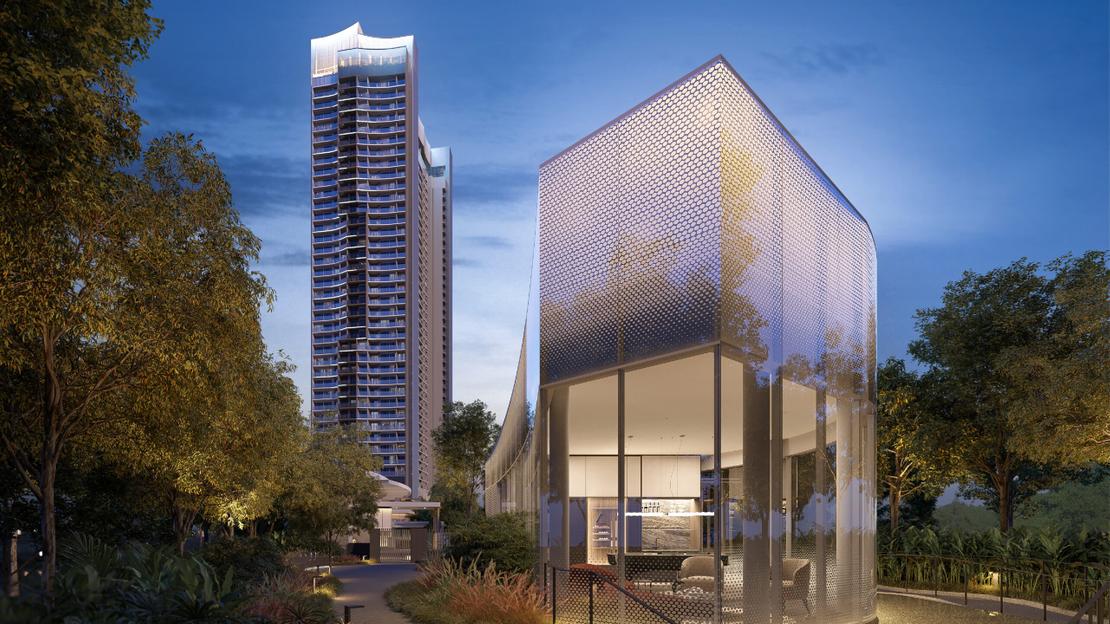
A clear expression of this thinking appears in River Green by Wing Tai, which received the Best Sustainable Development title. Its design treats landscape not as amenity, but as infrastructure. Water-fed gardens, shaded paths and layered planting form the project’s spatial and environmental structure, moderating heat and supporting biodiversity in a way that responds directly to Singapore’s climate. This approach earned the development Best Luxury Condo Landscape Design, and its architecture — awarded Highly Commended for Luxury Condo Architectural Design — reinforces the same intent. Passive cooling, cross-ventilation and a performance-focused façade reduce reliance on mechanical systems. River Green hints at where future land tenders may move: towards precincts where environmental performance shapes value more than scale or spectacle.
A similar direction is emerging in the upper tiers of residential design. UPPERHOUSE, awarded Highly Commended for Luxury Condo Architectural Design, demonstrates a quieter form of sustainability, one rooted in precision and restraint. Prefabricated construction improves build quality and reduces waste; regenerative lift systems cut operational demand; and a controlled material palette supports long-term maintenance. It reflects a shift within luxury architecture towards efficiency, craft and environmental intelligence rather than overt displays of technology.
Promenade Peak, winner of Best Luxury Condo Architectural Design and recognised with Highly Commended titles for Best Luxury Condo Interior Design, Best Luxury Condo Landscape Design, and Best Luxury Condo Development, extends these ideas. Its interior strategy emphasises daylighting, airflow and material efficiency, while its landscape approach strengthens microclimate and biodiversity. The environmental thinking is embedded rather than expressed, showing how sustainability is shaping mainstream residential design.
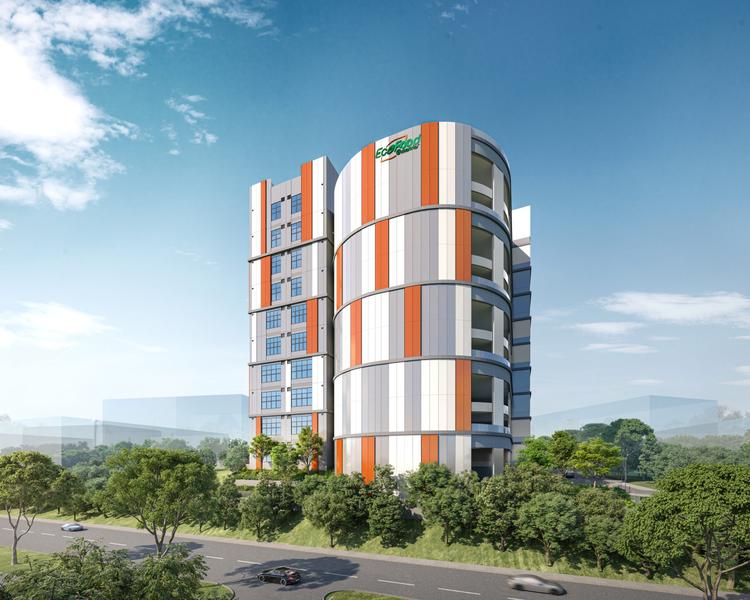
The industrial and food-production sectors present a different, but equally important, dimension of sustainability: operational intelligence. EcoFood @ Mandai, awarded Highly Commended in the Food Hub Development category, uses daylighting, natural ventilation and solar-ready roofing to reduce energy use and create healthier working conditions. Flexible floorplates support evolving business needs. For many SMEs, these design decisions translate directly into lower operational costs and more stable long-term occupancy — a practical sustainability impact that extends beyond environmental benefit.
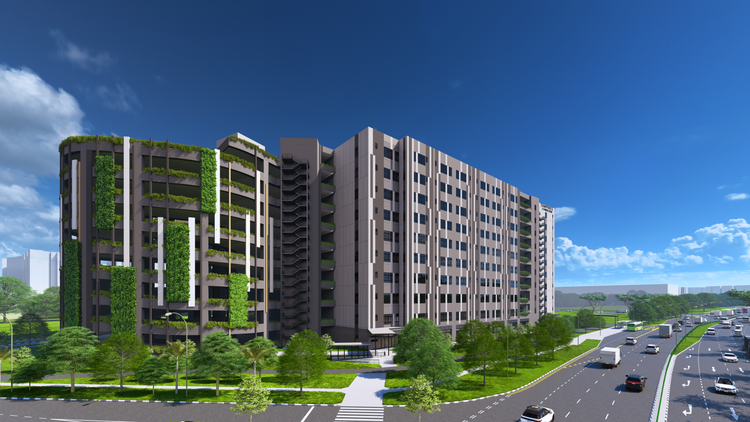
Similarly, Tampines Connection, recognised as Best Industrial Development, demonstrates how efficiency and experience can align. Its Super Low Energy Green Mark Platinum rating signals strong performance, while communal green areas and park-connector access bring a level of environmental consideration rarely associated with industrial estates. Though its primary purpose is operational, the project acknowledges that industrial spaces form part of the social and ecological fabric of surrounding neighbourhoods. These examples, though distinct from residential schemes, point to the same idea exemplified by River Green: sustainability is becoming systemic across sectors.
Taken together, these developments illustrate a broader transformation. Environmental performance is now matched by advances in landscape design, material efficiency, operational systems and construction methods. The consistency across such different building types suggests that ESG thinking is becoming cultural rather than technical.
The next frontier in Singapore’s built environment will be shaped by this integrated view of sustainability. Projects that combine low-impact construction with regenerative landscapes, efficient systems and long-term adaptability will influence how districts evolve, how land is tendered and how value is measured. As the city moves into its next cycle, the work recognised this year offers a clear signal: purpose-led design is no longer exceptional. It is becoming the measure of progress.
Disclaimer: The information is provided for general information only. PropertyGuru Pte Ltd makes no representations or warranties in relation to the information, including but not limited to any representation or warranty as to the fitness for any particular purpose of the information to the fullest extent permitted by law. While every effort has been made to ensure that the information provided in this article is accurate, reliable, and complete as of the time of writing, the information provided in this article should not be relied upon to make any financial, investment, real estate or legal decisions. Additionally, the information should not substitute advice from a trained professional who can take into account your personal facts and circumstances, and we accept no liability if you use the information to form decisions.